

1. Digital Transformation: Embracing the Digital Age
Digital transformation has transcended from being a strategic option to a business imperative. The integration of digital technologies across all aspects of operations, from customer interactions to supply chain management, is no longer a choice but a necessity for survival and growth. Cloud computing, Internet of Things (IoT), and data analytics are at the forefront of this transformation, enabling businesses to optimize processes, enhance decision-making, and deliver personalized experiences at scale.
2. Artificial Intelligence and Machine Learning: Unleashing Intelligent Capabilities
Artificial Intelligence (AI) and Machine Learning (ML) are reshaping industries by unlocking new levels of efficiency, automation, and innovation. From predictive maintenance in manufacturing to personalized recommendations in retail, AI and ML algorithms are driving transformative changes that enhance productivity, reduce costs, and elevate customer satisfaction. As these technologies evolve, businesses must harness their intelligent capabilities to stay competitive and agile in a data-driven world.

3. E-Commerce and Omnichannel Retail: Redefining Consumer Experiences
The rise of e-commerce has disrupted traditional retail paradigms, blurring the lines between online and offline shopping experiences. Omnichannel retail strategies, encompassing digital storefronts, mobile apps, social commerce, and brick-and-mortar outlets, are reshaping how businesses engage with customers throughout their journey. Seamless integration, personalized recommendations, and frictionless transactions are key drivers of success in this hyper-connected retail landscape.

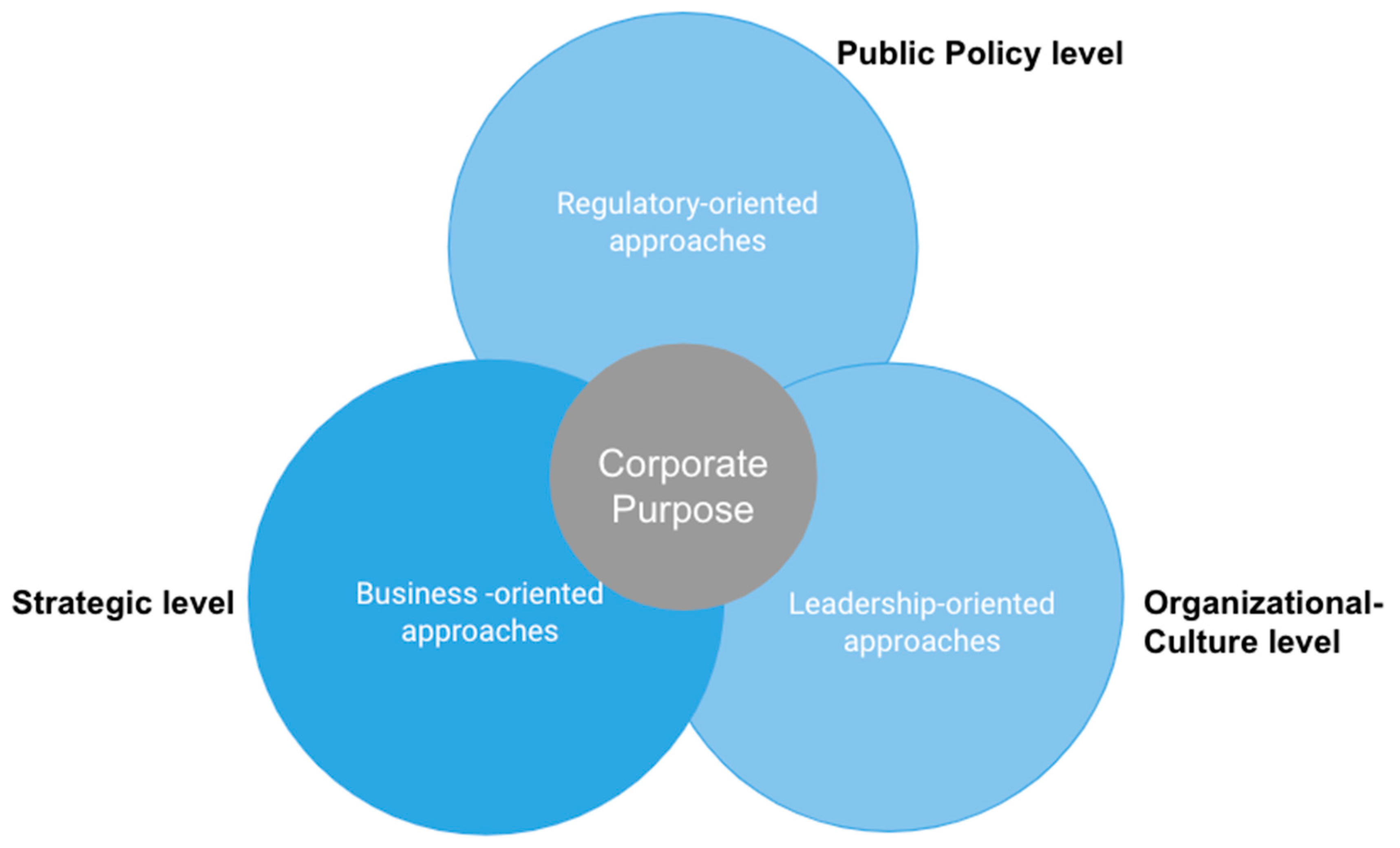
4. Sustainability and Corporate Social Responsibility: Driving Purposeful Business
As global challenges like climate change and social inequality come to the forefront, businesses are increasingly embracing sustainability and corporate social responsibility (CSR) as core principles. Beyond compliance, businesses are proactively integrating sustainable practices into their operations, supply chains, and value propositions. From eco-friendly products and green initiatives to ethical sourcing and community partnerships, businesses are aligning their purpose with societal and environmental goals, earning trust and loyalty from stakeholders.
5. Remote Work and Hybrid Models: Redefining Workforce Dynamics
The COVID-19 pandemic accelerated the adoption of remote work, paving the way for hybrid work models that combine in-person and remote collaboration. This shift in workforce dynamics has profound implications for organizational culture, employee engagement, and productivity. Businesses are investing in digital infrastructure, collaboration tools, and flexible policies to support remote and hybrid work arrangements, fostering a more inclusive and adaptable workplace culture.

6. Cybersecurity and Data Privacy: Safeguarding Digital Assets
With the proliferation of digital interactions and data-driven operations, cybersecurity and data privacy have become paramount concerns for businesses. The evolving threat landscape, including cyberattacks, data breaches, and privacy regulations, underscores the importance of robust cybersecurity measures. Businesses are investing in encryption technologies, threat intelligence platforms, and employee training to mitigate risks, protect sensitive data, and build resilience against cyber threats.

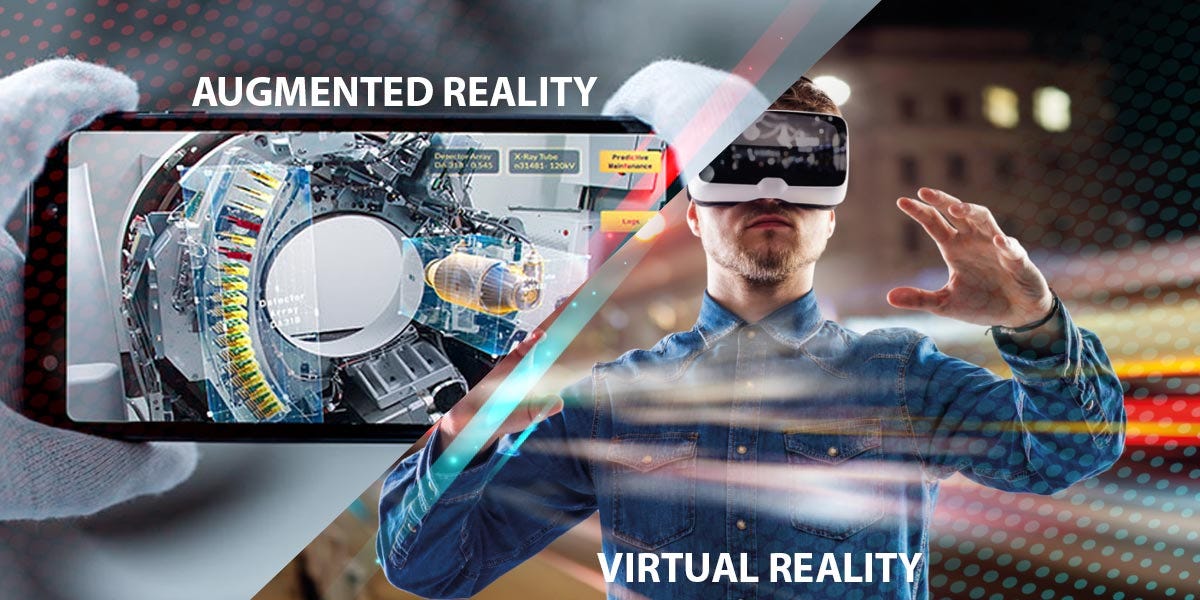
7. Augmented Reality (AR) and Virtual Reality (VR): Immersive Experiences
Augmented Reality (AR) and Virtual Reality (VR) technologies are revolutionizing how businesses engage with customers, train employees, and showcase products/services. From virtual product demonstrations and interactive training simulations to immersive marketing campaigns and virtual events, AR and VR are creating immersive experiences that captivate audiences and drive brand engagement. Businesses across industries, from retail and real estate to education and entertainment, are leveraging these technologies to deliver memorable and impactful experiences.
8. Blockchain Technology: Transforming Trust and Transparency
Blockchain technology is disrupting traditional systems of trust and transparency by providing decentralized, secure, and immutable digital ledgers. Industries such as finance, supply chain, healthcare, and logistics are leveraging blockchain for enhanced transparency, traceability, and efficiency. Smart contracts, decentralized finance (DeFi), and tokenization are some of the innovative applications driving the adoption of blockchain, enabling businesses to streamline operations, reduce fraud, and build trust with stakeholders.

9. Health and Wellness Technologies: Prioritizing Employee Wellbeing
Employee wellbeing and mental health have gained prominence as essential components of a productive and resilient workforce. Businesses are investing in health and wellness technologies, such as wearable devices, telemedicine platforms, and mental health apps, to support employee wellbeing, productivity, and work-life balance. By prioritizing employee health, businesses can foster a positive workplace culture, reduce absenteeism, and enhance overall performance.

10. Data Analytics and Predictive Insights: Harnessing the Power of Big Data
Data analytics and predictive insights are empowering businesses to make informed decisions, anticipate trends, and drive strategic initiatives. Big data analytics, real-time monitoring, and predictive modeling enable businesses to extract actionable insights from vast amounts of data, optimize processes, and personalize customer experiences. By leveraging data-driven strategies, businesses can gain a competitive edge, identify growth opportunities, and mitigate risks in an ever-evolving market landscape.

In conclusion, the future of business is characterized by continuous innovation, adaptation, and strategic foresight. Businesses that embrace digital transformation, leverage emerging technologies, prioritize sustainability and social responsibility, foster a resilient workforce, and harness the power of data analytics will be well-positioned to thrive and lead in tomorrow's dynamic and interconnected global economy. As the pace of change accelerates, staying agile, customer-centric, and future-ready will be key imperatives for businesses to achieve long-term success and sustainable growth.


2 Comments
Leverage emerging technologies
ReplyDeleteKeep it up. Vey impressive
ReplyDelete